David Blake, Rural Estate Delivery Manager in the South West, reflects on the rewards and challenges of working across Landmarc’s rural estate and the people who make it such a special place to work.
A VERY DIFFERENT KIND OF LAND MANAGEMENT
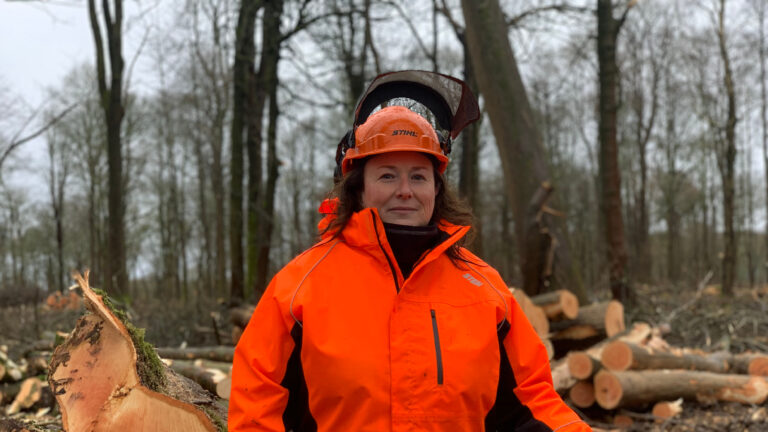
I came to Landmarc in the autumn of 2018, having spent my career in a variety of land management roles, from game management and wildlife reserves to private estates, the Forestry Commission and project management in protected landscapes.
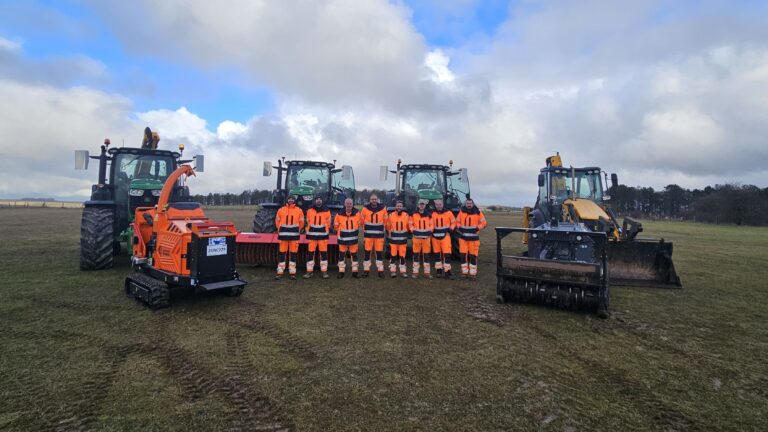
I thought I knew what land management was all about, then I joined Landmarc! What makes our work so different is the sheer variety and scale of the Defence Training Estate (DTE), and the fact that we are managing it alongside its primary purpose as a place for military training.
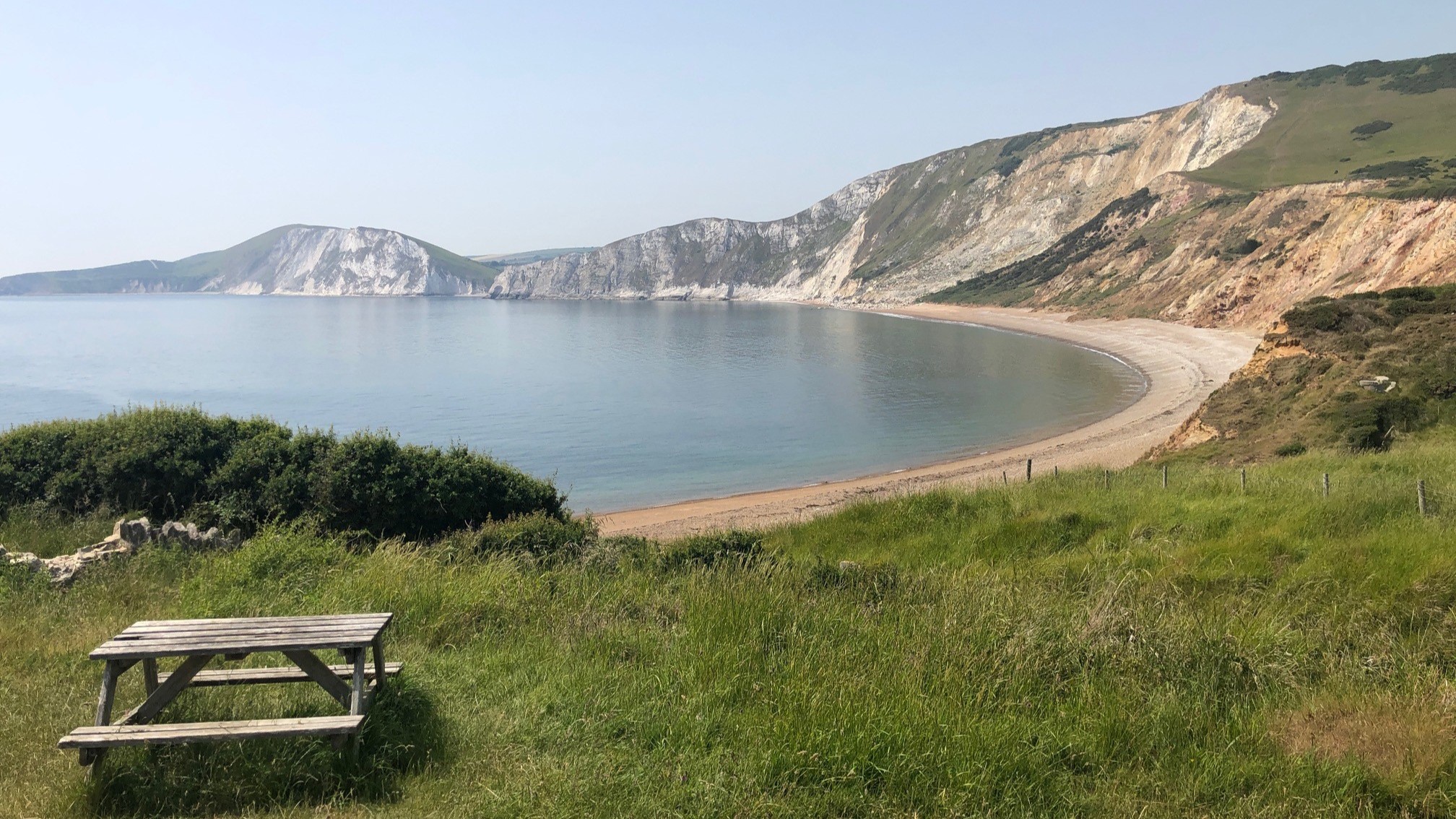
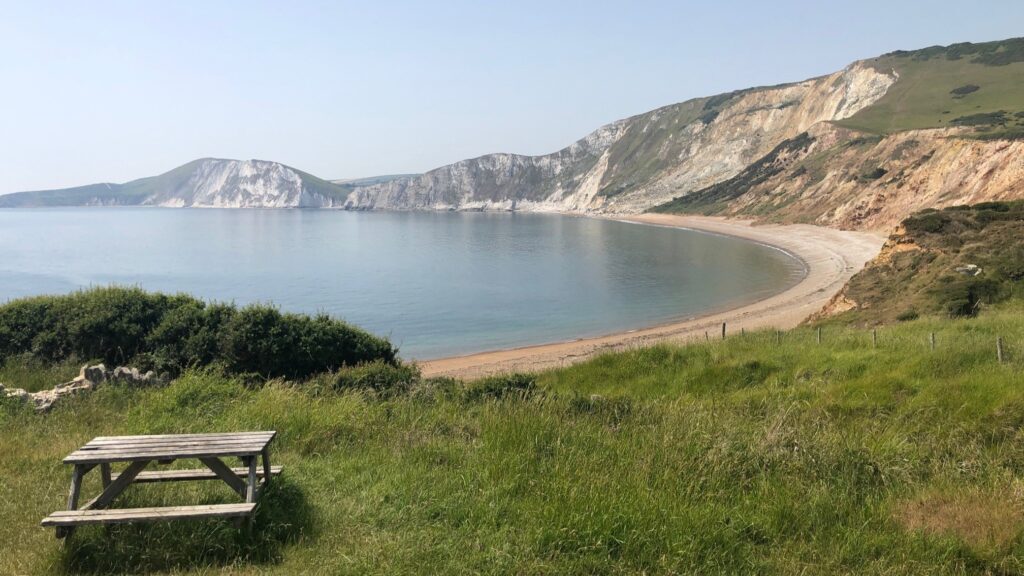
Across the estate, our teams look after an incredible mix of landscapes, habitats, wildlife and heritage. In the South West alone, my area includes vast sand dune systems, coastal cliffs, parts of the Jurassic Coast, the Fleet lagoon and some of the nation’s most important historic landscapes on Dartmoor, Purbeck and Salisbury Plain.
NEVER QUITE A NORMAL DAY
There are, of course, some very particular challenges that come with working on the DTE.
The military requirement comes first, which means rural operations such as forestry harvesting or habitat management can sometimes be postponed or cancelled at short notice, even when they have been months in the planning. It can be frustrating, but it is an important part of working on an estate where military training is the priority.
There are also hazards that most people working in land management simply don’t encounter. Many areas have been shelled and bombed for more than a century, meaning unexploded ordnance remains beneath the ground. At the same time, military training continues, so the estate is constantly changing. Landmarc works closely with DIO and Explosive Ordnance Disposal experts to ensure our work is carried out safely, and comprehensive safety briefings are an essential part of working on training areas.
I still find the contrast between the peaceful rural view and the military training slightly disconcerting. I can be looking out across miles of rolling, species-rich chalk downland when artillery shells suddenly start going into the hillsides, tanks roll through the landscape or Apache helicopters appear overhead. That’s not normal land management – but it is normal for us.
LOOKING AFTER THE WIDER ESTATE
Of course, much of what we do will be familiar to anyone working in rural estate management. We work closely with agricultural tenants, seasonal graziers, game shoots, fishing clubs and other tenants to support the effective management of the estate.
Farmers, in particular, play a vital role. Salisbury Plain, for example, is managed largely through a complex system of temporarily penning cattle and sheep. This partnership between agriculture and military training is a great example of the many different activities that have to work alongside each other across the DTE. And then there are the challenges that will be familiar to anyone working in the countryside: vandalism, fly-tipping and inappropriate public access. It takes a huge amount of knowledge, collaboration and hard work from our teams to keep everything moving.
THE BEST PART? THE PEOPLE
For me, though, the joys of working on the DTE far outweigh the frustrations.
One of the things I love most is seeing the enthusiasm our colleagues have for the places we look after. You only have to look at our employee communications app, Landmarc Connect, to see it – photographs of incredible sunsets, early morning landscapes and wildlife spotted while out doing the job.
Those moments really bring home what a privilege it is to work on such a fascinating estate.
And that enthusiasm isn’t limited to our rural teams. It is the combined knowledge and expertise of colleagues across Landmarc that enables us to look after the DTE. Whether you’re working in rural management, facilities, safety, project management, finance, HR or any of the many other roles that keep the business running, we all contribute to what makes the estate work.
A PRIVILEGE TO BE PART OF IT
For us at Landmarc, it is also a chance to celebrate the colleagues who care for our rural estate every day. Our work might often happen in the background, but the results are all around us – from the habitats and wildlife we protect to the historic landscapes we maintain and the way we balance environmental management with the needs of military training.
Having worked in land management for many years, I still feel incredibly lucky to be doing what I do. The scale, diversity and sheer unpredictability of the DTE mean there is always something new to discover. And perhaps that is the best thing about working here: no two days are quite the same, and you never know what you might see from the office window!