Across the UK, rural teams work in demanding environments to support safe, sustainable and effective military training. While each team faces its own local challenges, the professionalism and dedication are shared nationwide. This spotlight focuses on the Salisbury Plain rural team in the South West, offering a closer look at how they operate, adapt and innovate on the ground.

NO TWO DAYS ARE THE SAME
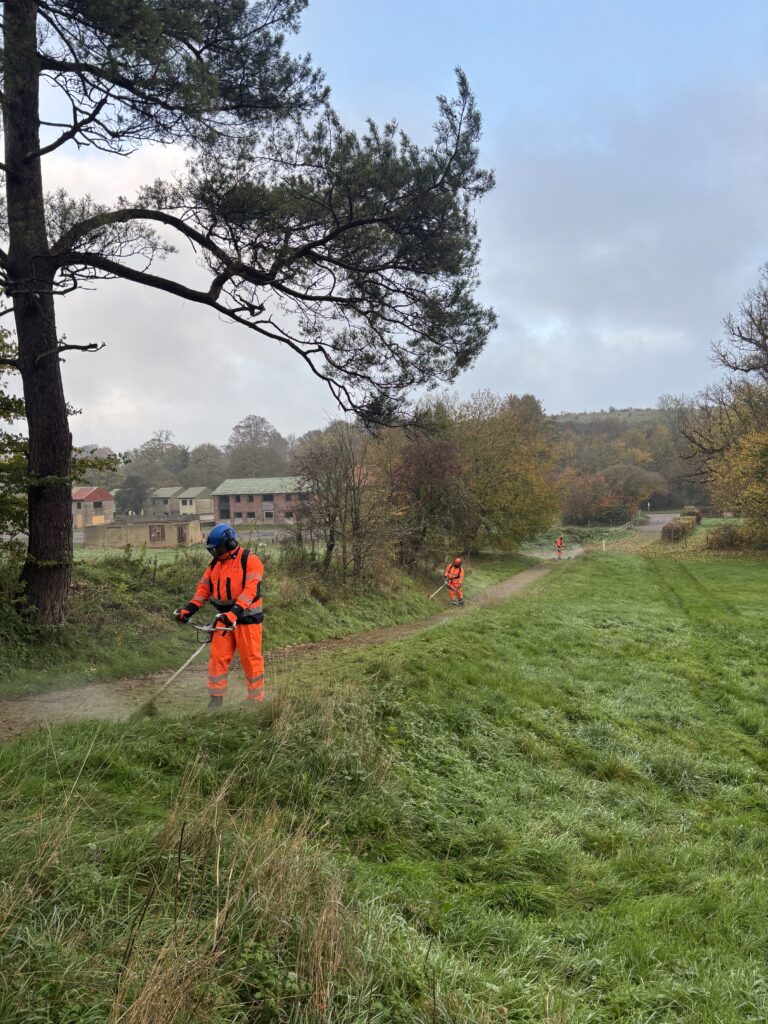
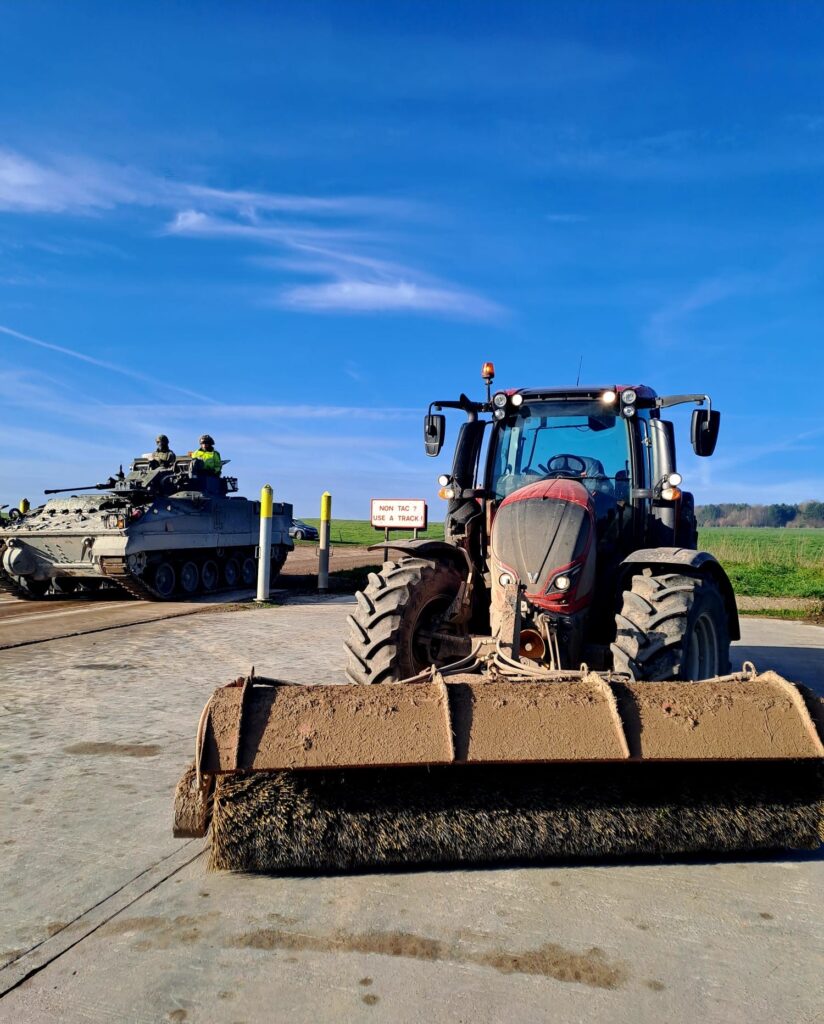
There’s no such thing as a ‘typical’ day for our rural teams. One morning might begin with planned inspections and maintenance; by lunch-time, a storm-damaged tree could be blocking a route, a machine may have failed, or snow and ice might need clearing across camps and training tracks. Whatever the challenge, our teams adapt, calmly, professionally and with safety at the forefront of everything they do.
THE PEOPLE BEHIND THE WORK
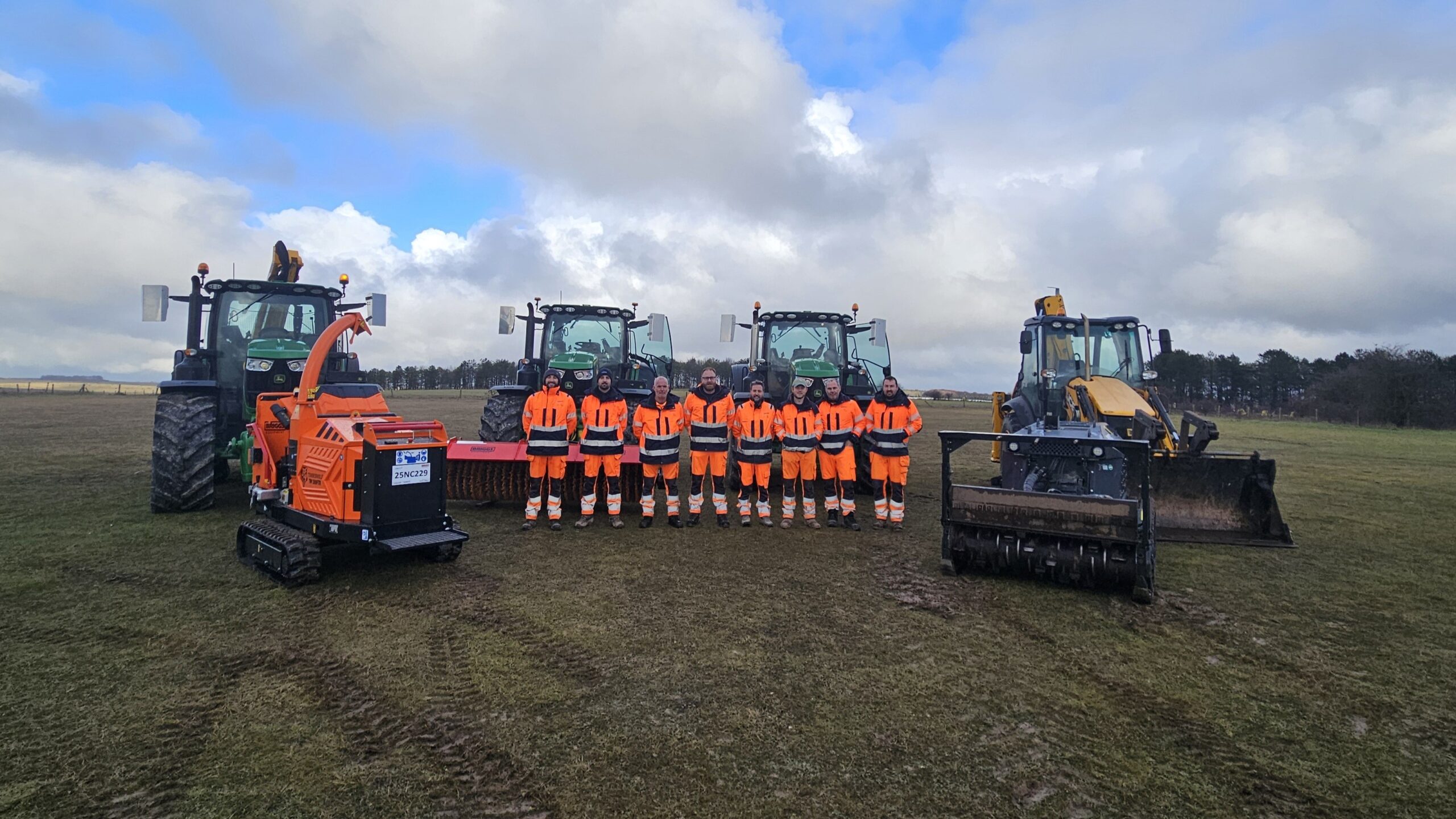
The rural operation is overseen by three rural maintenance managers, each responsible for a different area: Adam Reed focuses on the rural elements of Salisbury Plain Training Area, Robert Jackson manages camp maintenance and supports rural, alongside three grounds maintenance operatives, and Paul Morley looks after roadways and tracks with two plant operatives.
Day-to-day coordination across the areas is supported by Nick Thompson, rural supervisor, along with a skilled team of training area operatives: Ben Nicol, James Bray, Oliver Casperd, Kevin Dobson, Marc Rogers, John Stokoe and Luke Foster, who carry out tasks ranging from tree works and hedge management to Stone Curlew plot maintenance and preparation for the RSPB.
Together, they ensure that training areas remain safe, accessible and operational across all conditions.
FACING TREES, MACHINERY AND WEATHER
The work is varied and often high-risk. Tree safety operations regularly involve dead, diseased or storm damaged trees, sometimes in poor weather and often close to public access routes. Trees are unpredictable, with hidden decay, instability or housing protected species such as nesting birds or bats, adding complexity to each task. Machinery operations bring their own challenges too: breakdowns, access restrictions and the need for highly trained operators working in tight or environmentally sensitive locations.
“It’s the unpredictability that defines the job”, says Adam. “Weather, trees and terrain don’t always behave as expected, so communication and trust in the team are absolutely critical.”
NEW KIT, SMARTER WAYS OF WORKING
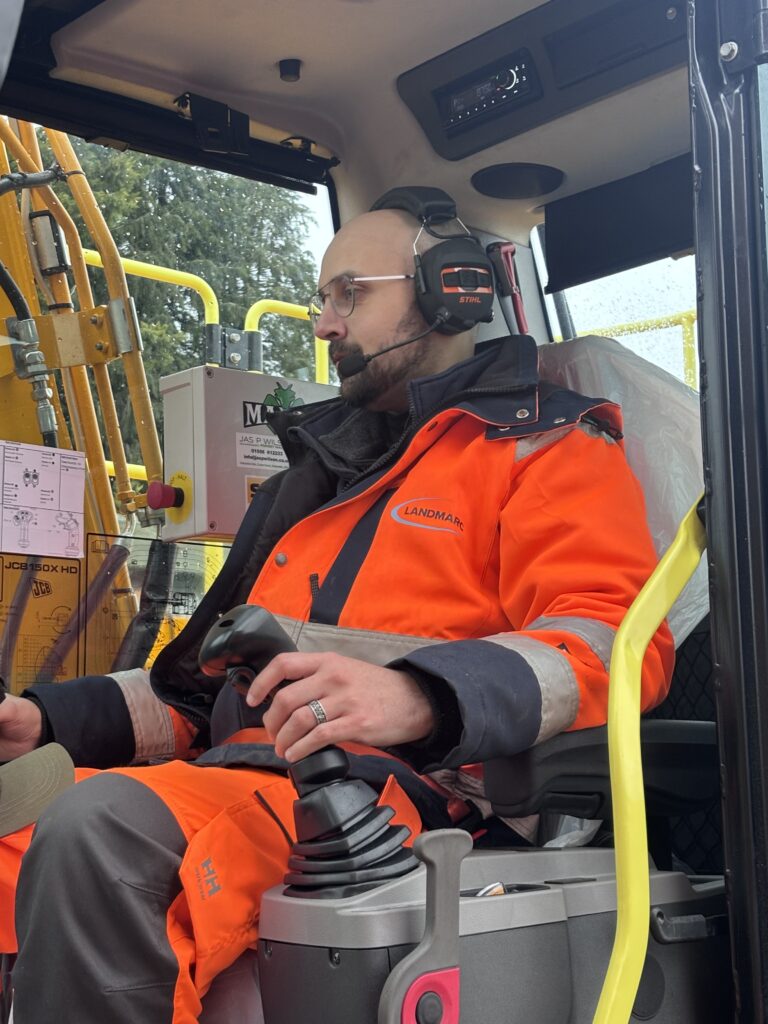
That focus on communication has driven recent changes, including the trial of Stihl Advance Procom headsets. These allow chainsaw operators, banksmen and machine drivers to remain in constant contact without needing to shout or stand close to moving machinery. Instructions are clearer, risks are reduced and operatives can keep their hearing protection in place throughout.
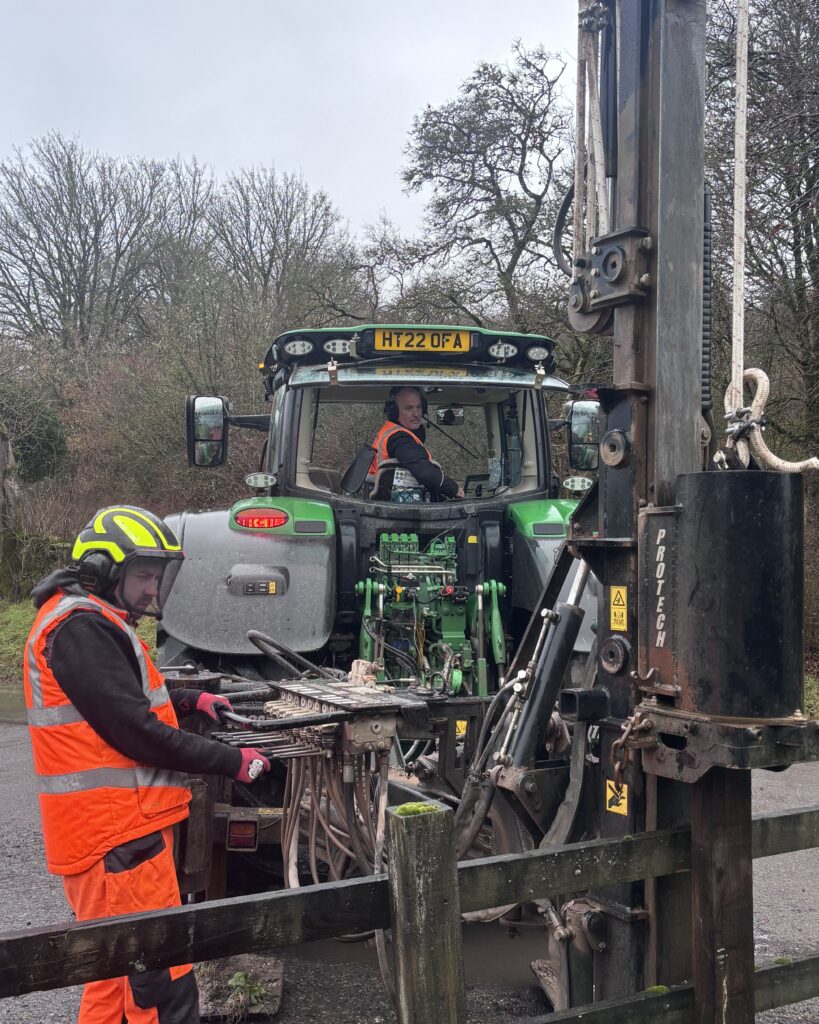
“As an example, they have been a huge help with the tractor-mounted post bumper – a hydraulic device attached to the tractor that drives fence posts into the ground safely and efficiently. The team on site can guide the operator exactly where they want the posts and the cab windows can remain shut, reducing noise while keeping everyone safe,” explains Adam.
The team has also benefited from significant investment in PPE and machinery. High-visibility clothing with glow-in-the-dark strips improves visibility in low-light conditions, while insulated, slip-resistant boots provide protection during winter gritting and snow clearance. CCTV installations on gritters and plant improve visibility and remove the need for operatives to climb slippery ladders. New tracked chippers and a robo flail mower allow vegetation clearance to be carried out more safely, including on slopes and archaeologically sensitive sites, while reducing manual handling and ground disturbance.
INVESTING IN SKILLS AND SAFETY
Alongside physical equipment, safety culture has been strengthened behind the scenes. Risk assessments have been expanded, COSHH storage and processes improved, depot signage enhanced and the number of qualified first aiders doubled, including forestry-specific training. Ongoing investment in training ensures skills remain current and compliance remains high.
The response from the team has been overwhelmingly positive. New ways of working have been embraced with operatives recognising the benefits to both safety and efficiency.
“I’m incredibly proud of how adaptable the team is, “Adam says. “They work in tough environments, in all weathers, and they approach every challenge with dedication and skill.”
PLANNING FOR THE FUTURE
Looking ahead, the team continues to seek opportunities to improve. Plans include attending industry events, such as the APF show at Ragley Estate, one of the UK’s biggest and longest-running forestry and woodland industry events, networking with rural managers across the UK and sharing best practice. Following the success of the headset trial, a wider rollout across our rural teams is also being explored.
BACKING FROM LEADERSHIP
Adam is keen to acknowledge the support that has made these changes possible: “Area Delivery Manager Doug North, Regional Operations Manager Chris Ockleton and Landmarc have fully backed the team. Their commitment to safety and investment in the right equipment has made a real difference to how we operate and remain safe.”
At its core, this spotlight reflects a team that takes pride in its work: responding to challenges, embracing change and delivering safe, sustainable training areas every day.